

The Ultimate Venue Requirements Checklist: How to Select a San Diego Event Venue

Selecting the right event venue can define the success or failure of your corporate gathering. From logistics and layout to ambiance and cost transparency, overlooking even a single detail can create unnecessary stress for planners and attendees alike. That’s why a structured event venue requirements checklist is essential—it keeps your planning focused, efficient, and aligned with your goals.
Whether you’re organizing a leadership retreat, annual meeting, team-building experience, or milestone celebration, this guide walks you through everything you need to evaluate before booking. Instead of guessing or reacting to last-minute issues, you’ll have a clear framework to make confident, informed decisions.
Early in the planning process, many organizers find it helpful to explore professionally managed venues that support multiple event formats and provide planning guidance. Platforms like The Point event experience platform offer insights into how thoughtfully designed spaces simplify coordination while elevating the guest experience.
This checklist is designed to help you avoid common pitfalls, ask the right questions, and ultimately choose a venue that supports your event’s purpose—not one that complicates it.
Venue Capacity and Space Planning Essentials
Capacity is one of the first and most important factors on any venue requirements checklist. However, choosing the right size involves more than confirming the maximum headcount.
A venue should comfortably accommodate:
Attendees
Registration or welcome areas
Seating arrangements
Presentation zones
Breakout or networking spaces
Catering and refreshment stations
Overcrowded venues can feel chaotic and uncomfortable, while oversized spaces may feel empty and disengaging. The goal is balance—enough room to move freely without losing energy.
Equally important is ensuring restrooms and common areas are scaled appropriately for your group size. These details directly affect attendee comfort and are often overlooked until it’s too late.
Pro Tip: Always request a capacity breakdown by layout style (theatre, classroom, banquet, cocktail) rather than relying on a single number.

Choosing the Right Event Venue Floor Plan
A flexible floor plan can significantly improve the flow and functionality of your event. When evaluating corporate event venues, pay close attention to how the space supports your agenda.
Key floor plan considerations include:
Configurable seating arrangements
Clear sightlines for presentations
Logical transitions between sessions
Separate areas for networking or downtime
Accessibility for all attendees
The best venues allow you to adapt the space to your needs rather than forcing your program into a fixed structure. Accessibility features—such as ramps, wide walkways, and conveniently located restrooms—should also be a non-negotiable part of your venue checklist.
Design-forward venues often include indoor and outdoor transitions that enhance comfort and engagement. For example, spaces like the Bay Room Garden venue space demonstrate how thoughtful layouts can support both structured sessions and relaxed interactions without disruption.
Location Convenience Without Compromise
While you may not be able to satisfy every attendee’s preference, convenience plays a major role in participation and morale. A venue that’s difficult to access or requires excessive commuting can negatively impact turnout and energy levels.
When evaluating convenience, consider:
Ease of arrival
Parking or transportation options
Centrality for most attendees
Nearby amenities for breaks or downtime
For organizations with both local and traveling participants, minimizing friction is essential. A centrally positioned venue with intuitive access helps demonstrate respect for attendees’ time and experience.
Convenience isn’t just logistical—it’s strategic. When people arrive relaxed rather than stressed, engagement naturally improves.
Event Venue Ambiance, Views, and Atmosphere
Ambiance directly influences creativity, focus, and overall satisfaction. A well-designed event venue creates an immediate emotional response that sets the tone before the first session even begins.
Look for spaces that offer:
Natural light
Thoughtful architectural design
Clean, modern aesthetics
Visual interest without distraction
Venues with scenic surroundings or distinctive design elements often leave a lasting impression. Even subtle details—such as open layouts, greenery, or intentional lighting—can elevate the experience.
When attendees feel inspired by their surroundings, they’re more likely to participate actively, collaborate freely, and associate the event with positive outcomes.
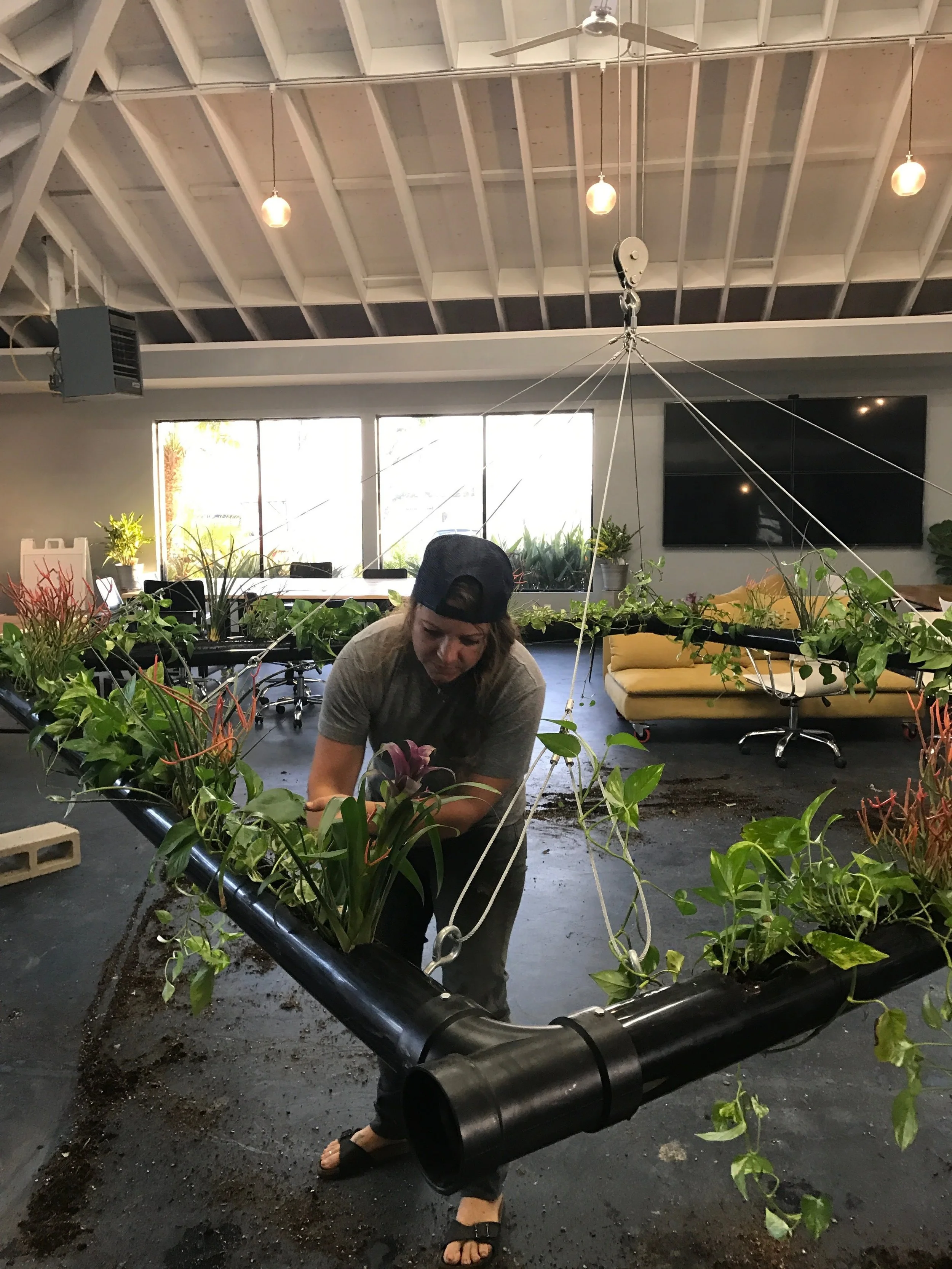
Understanding Event Venue Pricing and Hidden Costs
Budget transparency is a critical part of venue selection. Even well-priced venues can become expensive if hidden fees aren’t identified early.
Before booking, clarify:
Setup and breakdown inclusions
Overtime or extended-hour charges
Furniture and equipment fees
Cleaning or staffing costs
Security or insurance requirements
A reputable venue will be upfront about pricing and happy to walk you through the contract. Still, it’s your responsibility to review details carefully and ensure your expectations align with what’s included.
A comprehensive corporate event venue checklist should always include a line-by-line cost review to prevent surprises.
Food, Beverage, and Refreshment Flexibility
Food and beverages significantly influence attendee satisfaction and energy levels. Some venues offer in-house catering, while others allow outside vendors or customized options.
Important questions to ask include:
Are outside caterers permitted?
Are there preferred vendor lists?
Are dietary accommodations supported?
Is there flexibility in menu planning?
When allowed sourcing food from a trusted provider—or even incorporating attendee input—can create excitement and foster inclusivity. Balanced, high-quality refreshments help maintain focus and momentum throughout the event.
Why One-Stop Event Venues Simplify Planning
A one-stop venue reduces complexity and maximizes your return on investment. Instead of coordinating multiple locations, everything happens in one cohesive environment.
Benefits of a one-stop event venue include:
Reduced transportation needs
Streamlined scheduling
Easier setup and teardown
Consistent branding throughout the space
Venues that support meetings, meals, social events, and activities in one place offer unmatched convenience. They also allow planners to customize each phase of the event without logistical friction.
Purpose-built venues designed for multifaceted use—such as those used for celebrations of life and milestone events—demonstrate how flexibility and thoughtful design can support diverse experiences seamlessly.
How a Venue Requirements Checklist Prevents Planning Mistakes
A structured checklist keeps your planning proactive instead of reactive. It ensures:
No critical details are missed
Stakeholders stay aligned
Decisions are made objectively
Timelines remain manageable
Using a checklist also makes it easier to compare venues side by side. When each option is evaluated against the same criteria, the best choice becomes clear—not just emotionally appealing.
This approach saves time, reduces stress, and leads to better outcomes for both organizers and attendees.
Conclusion: Take the Next Step with Expert Support
Choosing the right venue doesn’t have to be complicated. With a clear event venue requirements checklist, you can confidently evaluate options, avoid costly mistakes, and create an experience that aligns with your goals.
If you’re ready to simplify planning and get personalized support, connect with professionals who understand how to bring events to life.
Start planning today by reaching out through the official inquiry page:
Contact the event coordination team
Frequently Asked Questions About Event Venue Selection
-
An event venue requirements checklist is a structured list of criteria used to evaluate potential venues, including capacity, layout, accessibility, pricing, and amenities.
-
Capacity affects comfort, energy, and functionality. It must account for seating styles, movement, restrooms, and additional spaces like registration or catering areas.
-
Booking early provides more flexibility, better pricing options, and sufficient time for planning logistics without pressure.
-
Ask about hidden fees, cancellation policies, setup times, vendor restrictions, and what is included in the base rental price.
-
Yes. Flexible layouts allow you to adapt the space to presentations, breakout sessions, networking, and social activities without disruption.