

The Complete Guide to Event Venue Amenities at The Point

Planning a memorable event starts with choosing the right venue, and one of the most important factors in that decision is the event venue amenities San Diego hosts expect for seamless gatherings. Whether you're organizing a corporate meeting, wedding reception, private celebration, or networking event, the amenities offered by a venue can dramatically influence the success of your event.
Modern event hosts look beyond just square footage. They want a space that supports advanced AV features, flexible seating options, indoor/outdoor spaces, and convenient vendor policies that make planning easier and the guest experience better.
If you are evaluating venues and want to understand exactly what to look for, this guide walks through the essential event venue amenities San Diego event planners prioritize and explains how a thoughtfully designed venue like The Point event venue supports successful events from start to finish.
Waterfront venue for weddings, corporate events, and special celebrations Just 15 minutes from the airport

Wedding
Say i do surrounded by the gentle whisper of the Pacific breeze within the best san diego wedding venues

Corporate Events
Professionalism meets sophistication: Elevate your corporate events at The Point — a premier venue near downtown San Diego

Special Occasions
Make every moment unforgettable at The Point, where special occasions are celebrated with elegance and joy.
Why Event Venue Amenities Matter for a Successful Event
When comparing venues, many hosts initially focus on appearance or location. While those factors are important, the amenities included in an event venue often determine whether the event runs smoothly.
High-quality venues invest in amenities that support:
Professional presentations
Guest comfort
Efficient event setup
Seamless vendor coordination
Flexible event formats
For example, strong AV features ensure speeches, presentations, and music are clear. Well-planned seating options help accommodate both formal and casual gatherings. And flexible vendor policies allow event planners to customize catering, décor, and entertainment.
These features reduce planning stress and ensure the venue can adapt to the specific needs of each event.
Essential AV Features Every Modern Event Venue Should Offer
One of the most important event venue amenities San Diego organizers rely on is a reliable audiovisual setup.
Events today often include digital presentations, music systems, video streaming, or hybrid participation. Without the right AV infrastructure, even a well-planned event can encounter technical issues.
Key AV features to look for include:
Built-In Sound Systems
A high-quality audio system ensures speeches, music, and presentations are heard clearly across the venue.
Projection Screens and Displays
Professional projection equipment allows hosts to display presentations, slideshows, branding visuals, or videos.
Microphones and Wireless Audio
Wireless microphones, lapel mics, and handheld microphones make it easy for speakers and hosts to move freely during presentations.
Lighting Control
Lighting plays a major role in creating the right atmosphere. Adjustable lighting can transition a space from a professional meeting to an evening celebration.
Streaming and Recording Capabilities
For corporate events or product launches, some venues offer options for recording presentations or broadcasting to remote participants.
Having these AV features already integrated into the venue saves time, eliminates rental coordination, and ensures technical reliability throughout the event.
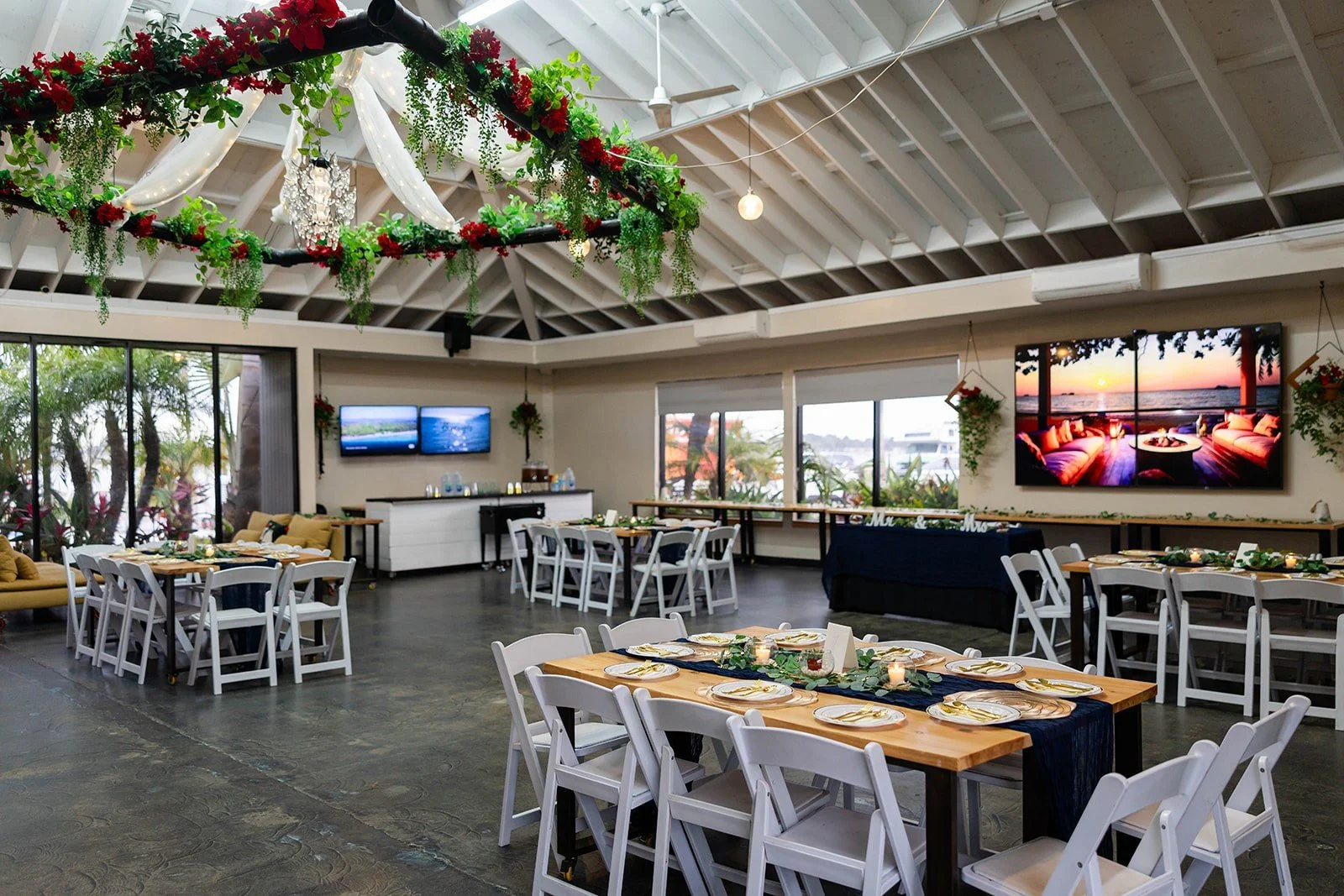
Indoor Event Spaces Designed for Flexibility
Indoor venues remain one of the most reliable options for hosting events because they offer climate control, privacy, and consistent environments for guests.
When evaluating indoor event spaces, hosts should consider layout flexibility, lighting, and available seating configurations.
A well-designed indoor venue can support multiple event types including:
Corporate meetings
Workshops and seminars
Private celebrations
Product launches
Networking events
Spaces designed specifically for events allow planners to rearrange layouts, stage presentations, and manage guest flow effectively.
For example, venues like indoor event spaces designed for professional gatherings often include adaptable floor plans, integrated AV equipment, and customizable seating options that support everything from formal presentations to relaxed social events.
These features help hosts tailor the environment to match the event’s goals.
The Value of Outdoor Event Spaces for Unique Experiences
Outdoor spaces are increasingly popular because they offer a refreshing atmosphere and provide a memorable setting for guests.
A well-designed outdoor venue should include practical amenities that support comfort and logistics.
Important outdoor venue features include:
Open-Air Layouts
Outdoor layouts allow guests to move freely, socialize, and enjoy scenic surroundings.
Flexible Seating Arrangements
Outdoor spaces often support lounge seating, cocktail tables, banquet seating, or theater-style arrangements.
Lighting for Evening Events
String lighting, spotlights, and decorative lighting create a warm and inviting environment for nighttime events.
Weather Contingency Options
Top venues offer solutions such as shade structures, heaters, or nearby indoor spaces in case of weather changes.
Hosts searching for venues that combine atmosphere with functionality often explore versatile outdoor event venues designed for gatherings<, where natural surroundings complement professional event infrastructure.
Outdoor spaces add personality and flexibility to many event formats, making them a valuable amenity when choosing a venue.
Understanding Vendor Policies Before Booking a Venue

Another important factor in selecting an event space is the venue’s vendor policies. These policies determine how outside vendors can participate in your event.
Some venues require exclusive vendors, while others offer flexibility to bring in preferred partners.
Event hosts should review vendor policies carefully to understand:
Catering Requirements
Some venues provide in-house catering while others allow outside catering teams.
Décor and Setup Rules
Policies may regulate décor installations, lighting rigs, or large equipment.
Entertainment Vendors
Rules may apply to DJs, live bands, or performers regarding sound levels or equipment.
Event Planning Support
Certain venues offer in-house event coordinators to help manage logistics and vendor communication.
Flexible vendor policies allow event hosts to create a personalized event while still maintaining operational efficiency at the venue.
Understanding these policies early helps prevent unexpected restrictions during planning.
Choosing the Right Seating Options for Your Event
Seating arrangements significantly impact how guests interact and experience the event.
A versatile venue should support multiple seating options depending on the event type.
Common configurations include:
Theater Style
Rows of chairs facing a stage or presentation area. Ideal for seminars, keynote presentations, and lectures.
Banquet Seating
Round tables arranged for group dining and social interaction. Common for weddings and gala events.
Cocktail Style
High tables and standing areas encourage networking and casual conversations.
Classroom Layout
Tables arranged in rows facing the front, often used for workshops or training sessions.
Lounge Seating
Comfortable couches or casual seating areas create relaxed networking spaces.
A venue that supports multiple seating configurations gives hosts the flexibility to design the environment around their event goals.
Additional Amenities That Enhance the Guest Experience
Beyond core features like AV systems, indoor/outdoor spaces, vendor policies, and seating options, several additional amenities improve the overall event experience.
These amenities often differentiate standard venues from premium event destinations.
Dedicated Event Staff
Experienced staff can assist with setup, guest coordination, and technical support.
Easy Accessibility
Clear signage, parking access, and guest-friendly entry points help attendees navigate the venue comfortably.
Clean and Modern Facilities
Well-maintained restrooms, staging areas, and preparation spaces enhance professionalism and convenience.
Event Setup and Breakdown Support
Some venues assist with arranging furniture and resetting the space after the event.
Flexible Layout Options
Movable walls or adaptable floor plans allow hosts to transform the space depending on event needs.
These amenities contribute to a smooth event experience and reduce the workload for hosts and planners.
How the Right Event Venue Amenities Support Stress-Free Planning
Planning an event involves many moving parts. When venues provide strong amenities, they simplify the planning process significantly.
Benefits of choosing a venue with complete amenities include:
Fewer external vendors to coordinate
Faster event setup and teardown
Improved guest comfort
Reliable technical performance
Greater flexibility in event design
Instead of managing multiple vendors and rental companies, hosts can rely on built-in infrastructure to support their event.
This streamlined planning process allows organizers to focus on delivering a meaningful experience for their guests.

Why Thoughtful Venue Amenities Create Better Events
At the end of the day, great events are about creating memorable experiences.
When venues invest in high-quality event venue amenities San Diego planners rely on, they make it easier for hosts to deliver those experiences.
From professional AV features to flexible indoor/outdoor spaces, supportive vendor policies, and adaptable seating options, the right amenities ensure every detail of the event runs smoothly.
Choosing a venue that understands the needs of modern event planners helps transform ideas into successful gatherings.
If you are exploring a venue designed with these features in mind, you can learn more or discuss your event requirements by visiting the event planning contact page to connect with the team and start planning your next event.
Frequently Asked Questions
-
The most important amenities include reliable AV features, flexible seating options, adaptable indoor/outdoor spaces, and clear vendor policies. These features ensure smooth event execution and a better guest experience.
-
AV features allow hosts to deliver presentations, speeches, music, and visual content effectively. High-quality sound systems, microphones, and projection screens are essential for professional events.
-
Indoor spaces provide climate control and consistency, while outdoor spaces offer atmosphere and scenic experiences. Venues that offer both give planners more flexibility.
-
Ask whether the venue allows outside catering, décor vendors, entertainment providers, and planners. Understanding vendor policies early helps avoid planning conflicts.
-
Different seating arrangements influence guest interaction and event flow. A venue with multiple seating options allows hosts to design layouts suited for presentations, dining, networking, or social gatherings.