

How to Host a Successful Corporate Retreat at a Waterfront Venue
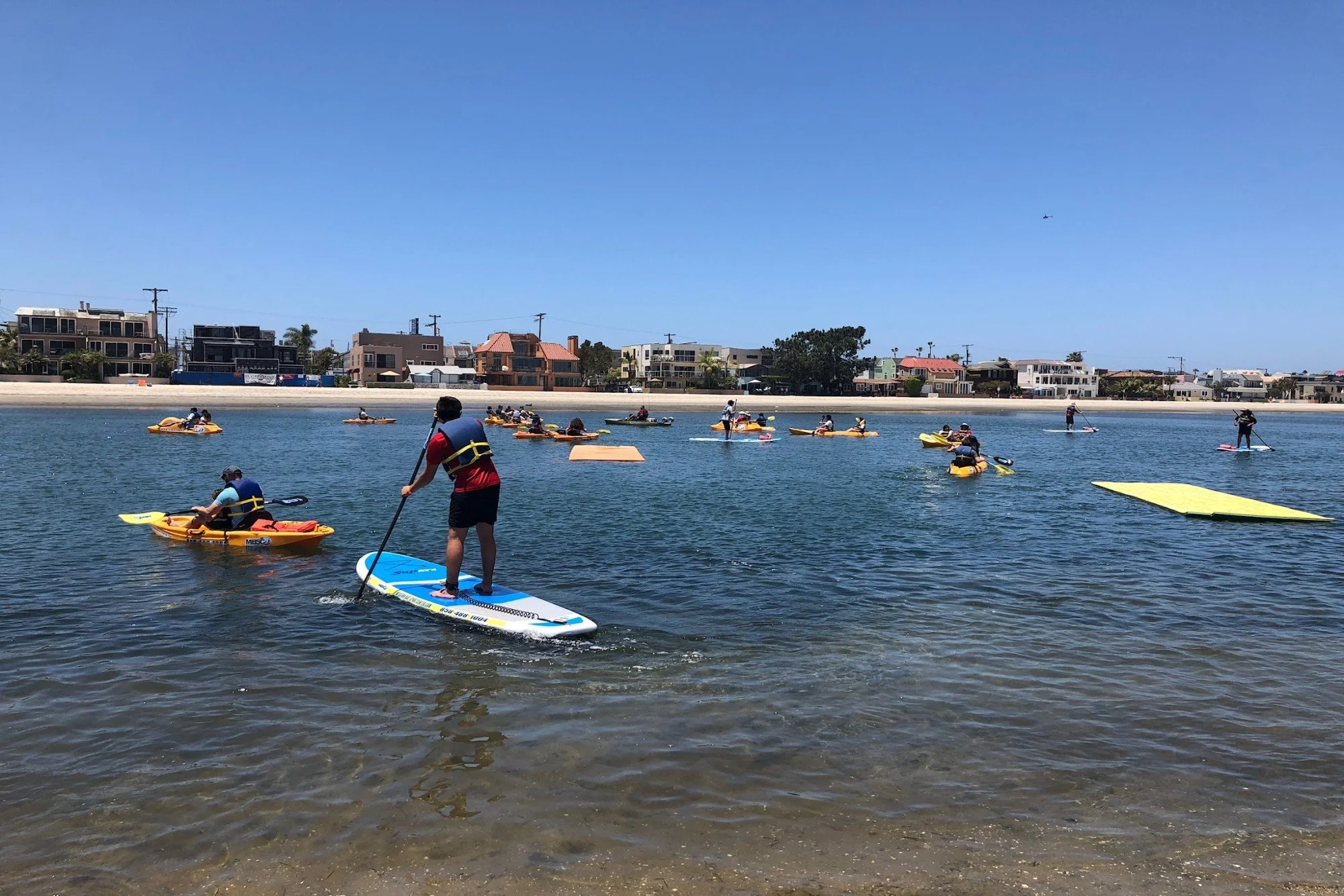
Corporate retreats have evolved far beyond traditional conference rooms and hotel meeting spaces. Today's organizations are seeking meaningful experiences that strengthen workplace relationships, encourage collaboration, and inspire employees. A well-planned waterfront retreat offers the perfect environment to step away from daily responsibilities, focus on strategic goals, and create stronger team connections.
Whether you're organizing a leadership summit, company-wide gathering, or department offsite, choosing the right waterfront venue can significantly impact the success of your event. The combination of scenic views, fresh air, and flexible event spaces creates an atmosphere that encourages creativity, engagement, and productive conversations.
For planners looking to create memorable corporate experiences, partnering with experienced corporate event specialists can simplify the planning process and ensure every detail aligns with your company goals. From logistics and entertainment to team engagement strategies, expert support can transform an ordinary retreat into an unforgettable experience.
Why Waterfront Corporate Retreats Deliver Better Results
One of the biggest advantages of hosting a retreat at a waterfront venue is the change of environment. Employees spend much of their time working in offices, attending virtual meetings, and managing daily tasks. A retreat provides an opportunity to break routine and encourage fresh thinking.
Research consistently shows that employees are more engaged when they are placed in environments that promote relaxation and collaboration. Waterfront settings naturally encourage informal conversations, stronger networking opportunities, and creative problem-solving. This makes them ideal locations for leadership workshops, company strategy sessions, and team building activities.
Many organizations searching for corporate retreat ideas waterfront San Diego options are specifically looking for experiences that combine productivity with employee wellbeing. Waterfront venues provide the perfect balance between professional development and meaningful team interaction.
Step 1: Define the Purpose of Your Corporate Retreat
Before selecting a venue or planning activities, it is essential to establish clear objectives. Every successful retreat starts with understanding what the company hopes to accomplish.
Some organizations use retreats to improve communication across departments, while others focus on leadership development, employee recognition, or strategic planning. Clarifying your goals early will influence every aspect of the event, from venue selection and agenda planning to team building activities and meeting formats.
When objectives are clearly defined, every session and activity becomes more intentional. This helps maximize both engagement and return on investment.
Step 2: Choose the Right Waterfront Venue
Selecting the right venue is one of the most important decisions in the planning process. Not all waterfront properties are designed to accommodate corporate events effectively.
Look for venues that offer flexible meeting spaces, outdoor gathering areas, comfortable accommodations, and professional event support. Accessibility, parking, catering options, and technology capabilities should also be considered during the selection process.
One of the most overlooked requirements is access to venues with AV support. Modern retreats often include presentations, hybrid participation, workshops, and multimedia content. Reliable audiovisual equipment ensures presentations run smoothly and helps maintain a professional experience throughout the event.
The best venues with AV support combine technology, comfort, and flexibility, allowing planners to execute everything from keynote sessions to collaborative breakout meetings.

Step 3: Create an Effective Agenda Planning Strategy
Successful retreats balance structured sessions with opportunities for networking and relaxation. Effective agenda planning helps attendees remain engaged without feeling overwhelmed.
Start by identifying your primary goals and allocating time accordingly. Strategic planning sessions, workshops, executive presentations, and networking activities should all support the retreat's objectives.
A common mistake is overloading the schedule. Participants need time to process information, build relationships, and recharge. Incorporating breaks, informal gatherings, and outdoor experiences often leads to higher engagement levels.
Thoughtful agenda planning ensures every activity serves a purpose while maintaining energy throughout the retreat.
Step 4: Select Meeting Formats That Encourage Participation
Traditional presentations still have value, but modern retreats benefit from diverse meeting formats that encourage interaction and collaboration.
Interactive workshops allow participants to contribute ideas and solve problems collectively. Roundtable discussions encourage open communication, while breakout sessions create opportunities for smaller group conversations.
Different meeting formats can also be used throughout the retreat to maintain interest and accommodate various learning styles. Combining presentations, collaborative exercises, and facilitated discussions creates a more dynamic experience for attendees.
Organizations that prioritize participation often see stronger outcomes because employees become active contributors rather than passive listeners.
Step 5: Incorporate Meaningful Team Building Activities
No corporate retreat is complete without well-designed team building experiences. These activities help strengthen workplace relationships, improve communication, and create shared memories that continue long after the event ends.
The most effective team building programs align with company objectives while remaining enjoyable and inclusive. Collaborative challenges, problem-solving exercises, leadership activities, and outdoor experiences can all contribute to stronger team dynamics.
When evaluating corporate retreat ideas waterfront San Diego planners often prioritize experiences that take advantage of the surrounding environment. Waterfront locations naturally create opportunities for engaging group activities that feel authentic rather than forced.
A successful retreat uses team building as a strategic tool rather than simply an entertainment option.
Step 6: Include Social Experiences That Strengthen Company Culture
While professional development remains important, social experiences often have the greatest long-term impact. Employees build stronger relationships when they have opportunities to connect outside formal meetings.
Welcome receptions, networking dinners, sunset gatherings, and celebration events help foster a sense of community. These moments often lead to stronger collaboration and improved workplace morale.
For companies looking to expand their event strategy beyond retreats, exploring creative corporate holiday event ideascan provide inspiration for future employee engagement initiatives and company celebrations.
Creating opportunities for authentic interaction helps transform a retreat into a truly memorable experience.

Step 7: Prioritize Employee Engagement Throughout the Event
Employee engagement should remain a focus from start to finish. Retreats are most successful when participants feel included, valued, and connected to the event's purpose.
Encourage participation through interactive discussions, collaborative activities, and recognition opportunities. Gathering feedback throughout the event also helps organizers make adjustments and improve future programs.
The best retreats create an environment where attendees feel comfortable sharing ideas, building relationships, and contributing to organizational goals.
Step 8: Measure Success After the Retreat
Many organizations overlook the importance of evaluating outcomes after the event concludes. Measuring success helps determine whether objectives were achieved and identifies opportunities for improvement.
Post-event surveys, team feedback sessions, and leadership assessments can provide valuable insights. Metrics related to engagement, communication, collaboration, and employee satisfaction often help demonstrate the retreat's overall value.
When retreats are viewed as strategic investments rather than isolated events, organizations can continually improve future experiences and achieve stronger results.
Common Corporate Retreat Planning Mistakes to Avoid
Even experienced planners can encounter challenges when organizing corporate retreats. One common mistake is focusing too heavily on logistics while neglecting attendee experience. Another is creating overly packed schedules that leave little room for networking or reflection.
Failing to prioritize venues with AV support, overlooking participant preferences, or choosing ineffective meeting formats can also reduce engagement levels.
Strong planning, clear communication, and thoughtful execution help minimize these risks and contribute to a more successful event.
Why Professional Event Support Makes a Difference
Corporate retreats involve numerous moving parts, including venue coordination, agenda planning, entertainment, catering, transportation, technology, and attendee management. Managing everything internally can become overwhelming, particularly for larger events.
Working with experienced event professionals allows HR teams and event planners to focus on strategic goals rather than operational details. Professional support helps ensure every aspect of the retreat runs smoothly while delivering a memorable experience for attendees.
Organizations seeking more creative team building solutions can explore specialized team engagement experiences designed to strengthen collaboration, communication, and workplace culture.

Final Thoughts
A successful waterfront corporate retreat combines strategic planning, meaningful experiences, and engaging activities to create lasting value for both employees and organizations. By focusing on clear objectives, thoughtful agenda planning, effective meeting formats, and purposeful team building initiatives, companies can create retreats that inspire collaboration, strengthen culture, and support long-term business goals.
Whether you are researching corporate retreat ideas waterfront San Diego, evaluating venues with AV support, refining your agenda planning process, or searching for innovative team building solutions, investing in the right strategy can transform your next retreat into a powerful business experience.
Ready to Plan an Exceptional Corporate Retreat?
To learn how expert event planning can elevate your next retreat, connect with our event planning team today and start creating a waterfront corporate experience your employees will remember long after the event ends.
Frequently Asked Questions
-
Waterfront venues provide a relaxing environment that encourages collaboration, creativity, networking, and employee engagement while offering unique experiences outside traditional meeting spaces.
-
Most successful corporate retreats are planned several months in advance to secure venues, accommodations, activities, and vendor availability.
-
Agenda planning helps balance business objectives, team building activities, networking opportunities, and downtime to maximize engagement and productivity.
-
Interactive workshops, breakout sessions, roundtable discussions, and collaborative activities are often more engaging than presentation-only formats.
-
Venues with AV support ensure presentations, hybrid meetings, workshops, and multimedia sessions run smoothly without technical disruptions.